When we talk about the energy retrofit of a house, most people think first of lower bills or a higher property value. Those are real, tangible benefits — but there is something that may matter even more: the wellbeing and health of the people living inside.
A properly executed energy retrofit does not only save money; it creates a healthier, more comfortable and more balanced living environment. In this article I show how the thermal performance of a building is connected to human wellbeing — and why every intervention is worth planning with a professional eye.
1. Thermal comfort is not just a matter of numbers
The temperature shown on the thermostat does not in itself tell you how comfortable a room feels. It also matters how evenly the heat is distributed, how cold the surrounding surfaces are, and whether there are unpleasantly cool spots or draughts in the building.
That is why two rooms at the same temperature can still feel quite different.
In a poorly insulated building:
- the walls and windows radiate cold,
- draughts form along the thermal bridges,
- the floor is often cold while the air under the ceiling is too warm.
That is why, with the same amount of heating energy, the occupants still “feel cold”.
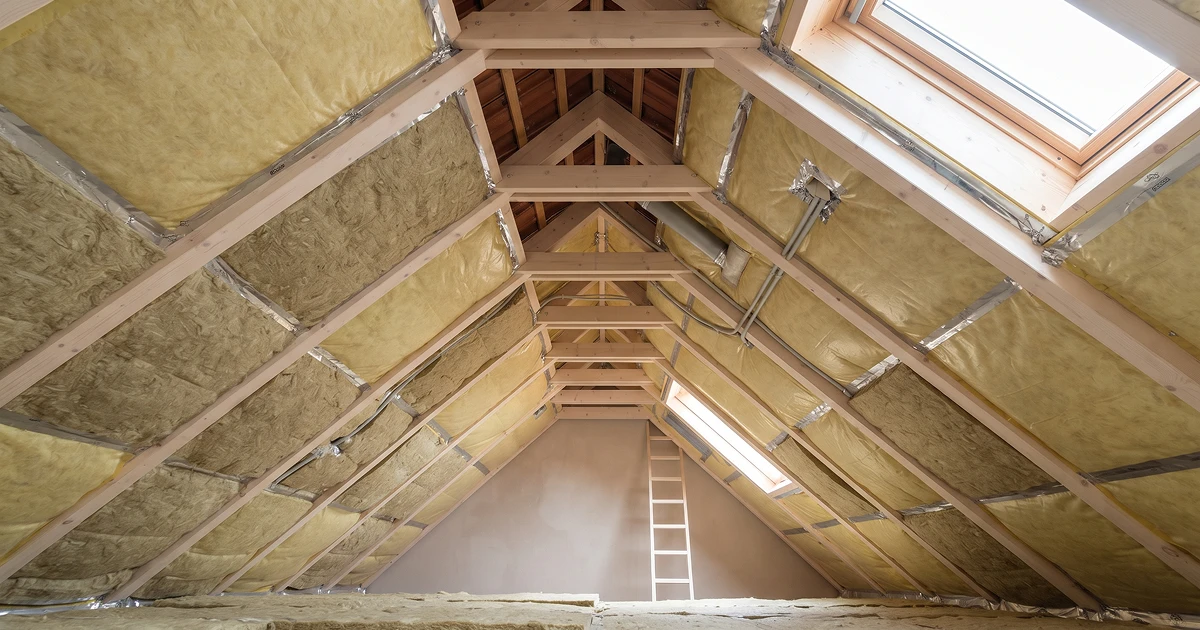
A well-planned retrofit – with the right insulation, airtight windows and a modern heating system – evens out these differences.
In the resulting space of uniform temperature the body no longer has to adapt constantly to hot and cold patches, which reduces fatigue, increases comfort and improves the quality of rest.
A stable indoor climate is reassuring mentally too
It is important to see, however, that if someone feels cold in a flat, it does not automatically follow that the building performs badly in energy terms. How the home is used can matter just as much.
A tenant recently moved out of a flat belonging to an acquaintance of mine. After the move-out I noticed that they had left an electric heater behind. I had lived in the same flat earlier, and as it was a panel block I found that a little odd: in winter it was overheating rather than cold that was typical.
I called my acquaintance and asked why the tenant had needed extra heating. She said the flat had been very cold and the tenant was often chilly.
Not long afterwards, though, I noticed something: the window next to the bed had been left slightly ajar. I tried to close it but could not at first, because something was obstructing it. I had to lift the window a little, and then it closed fully.
That made it clear why the room had been cold – and it would also have meant a significant extra cost had the flat been individually metered, purely because of the way it was being used.
I tell this story because it illustrates something well: a comfort problem in a home is not always caused by poor workmanship or bad energy performance. Sometimes it is simply the way the home is used.
When assessing a building’s energy or technical condition, therefore, it is worth considering not only its structure and building services, but also how the home is actually used.
The right temperature, regular but controlled ventilation, the use of shading, or simply operating the windows correctly can all affect both comfort and energy consumption.
3. The role of fresh air – no healthy home without ventilation
One of the biggest misconceptions is that insulation “seals the house up” and that air quality suffers as a result.
The problem is not the insulation itself, but the absence of a proper ventilation strategy alongside it.
In airtight, well-insulated buildings, humidity and carbon dioxide levels can rise quickly if there is no controlled air exchange.
This is not only unpleasant (causing drowsiness and headaches) but also harmful to health in the long run, particularly for children and older people.
A mechanical ventilation system with heat recovery solves this problem:
- it supplies fresh air to the rooms continuously,
- it removes moisture and pollutants,
- and it recovers the heat from the outgoing air, so it is energy efficient too.
A retrofit is therefore not only about retaining heat, but also about the quality of the air we breathe day after day.
4. Mould, the invisible enemy – and how to prevent it
Mould growth is almost always the consequence of poor insulation, a thermal bridge or inadequate ventilation.
Moisture condensing on cold walls creates an ideal environment for mould fungi, which are not only an aesthetic problem but a serious health risk.
Mould spores can cause respiratory irritation, allergies and even asthma.
They are particularly dangerous for small children, older people and those living with respiratory conditions.
A well-considered energy retrofit, on the other hand, removes the conditions in which mould forms:
- reducing thermal bridges makes the wall surfaces warmer,
- humidity levels balance out thanks to controlled ventilation,
- internal surface temperatures become stable.
The home therefore becomes not only drier and healthier, but also safer in physiological terms.
5. Light, heat and acoustics in balance
A modern energy retrofit today calls for a comprehensive approach.
It is not enough to reduce heat loss – care must also be taken that the interventions do not spoil the building’s natural qualities.
For example:
- New windows can let in more natural light while sealing better.
- Modern windows and façade build-ups improve sound insulation, so the occupants enjoy more peace and quiet.
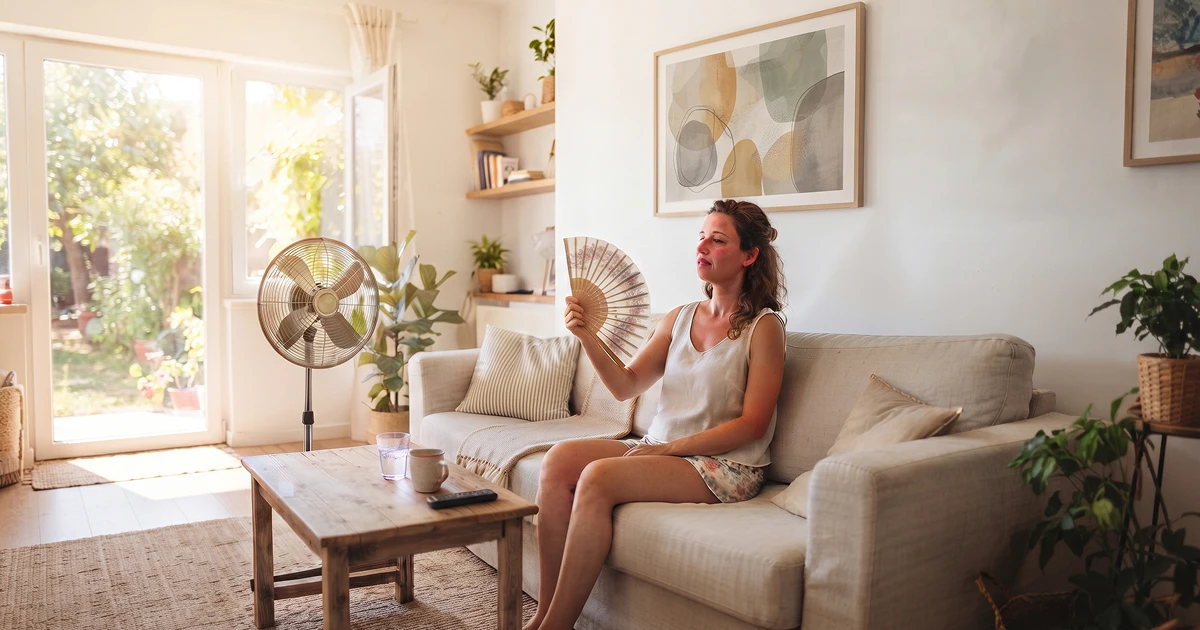
- Insulation and shading together moderate summer overheating and so reduce heat stress.
Comfort, then, is not only about warmth in winter but about balance across the year: a modern building is cooler in summer, warmer in winter and more pleasant to be in all year round.
6. A healthy building – a healthy person
There is a close connection between the physical condition of a building and human health.
Constant draughts, temperature swings, damp or stale air and poor sound insulation are all sources of stress that wear the body down over time.
Studies also confirm that people who live in a well-insulated, properly ventilated house at a stable temperature:
- fall ill less often,
- sleep better,
- and suffer less frequently from respiratory or circulatory complaints.
A proper energy retrofit is therefore not merely a technical investment, but an investment in health.
7. The key: professional planning and coordination
From the point of view of comfort and health, how the retrofit is carried out is far from indifferent.
Badly chosen insulation, poorly matched materials or the absence of ventilation can do more harm than good.
It is therefore worth starting at the design stage with a building diagnostic survey:
- to identify thermal bridges and moisture-related problems,
- to determine which interventions are needed,
- and in what order they should be carried out.
A retrofit really works when the building forms a coordinated system physically, mechanically and energetically.
In summary: comfort is not a luxury but a basic human need
A well-planned and well-executed energy retrofit can reduce not only energy consumption but also improve the comfort of the home and the quality of everyday life.
Cold surfaces can disappear, draughts can be reduced, overheating can be moderated and, with proper ventilation, the risk of excessive humidity can be lowered as well.
But as the story of the electric heater shows, not every comfort problem is caused by a fault in the building. Sometimes it is a badly adjusted window, an unsuitable ventilation habit, or simply the way the building is used.
That is exactly why a good energy retrofit is not about choosing a single product or a single measure. The building has to be seen as a whole, and you also have to understand how the people living there use it.
Because in the end, a home is not made more comfortable in an energy calculation, in new insulation or in a modern heating system.
It is made more comfortable in the way a person feels inside it.