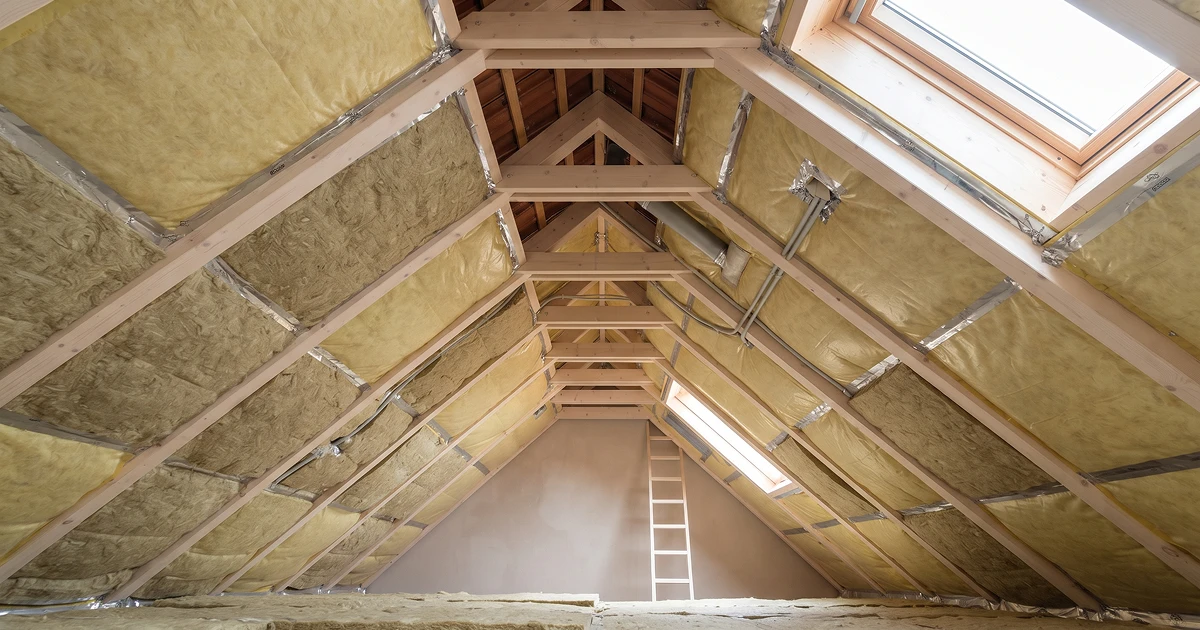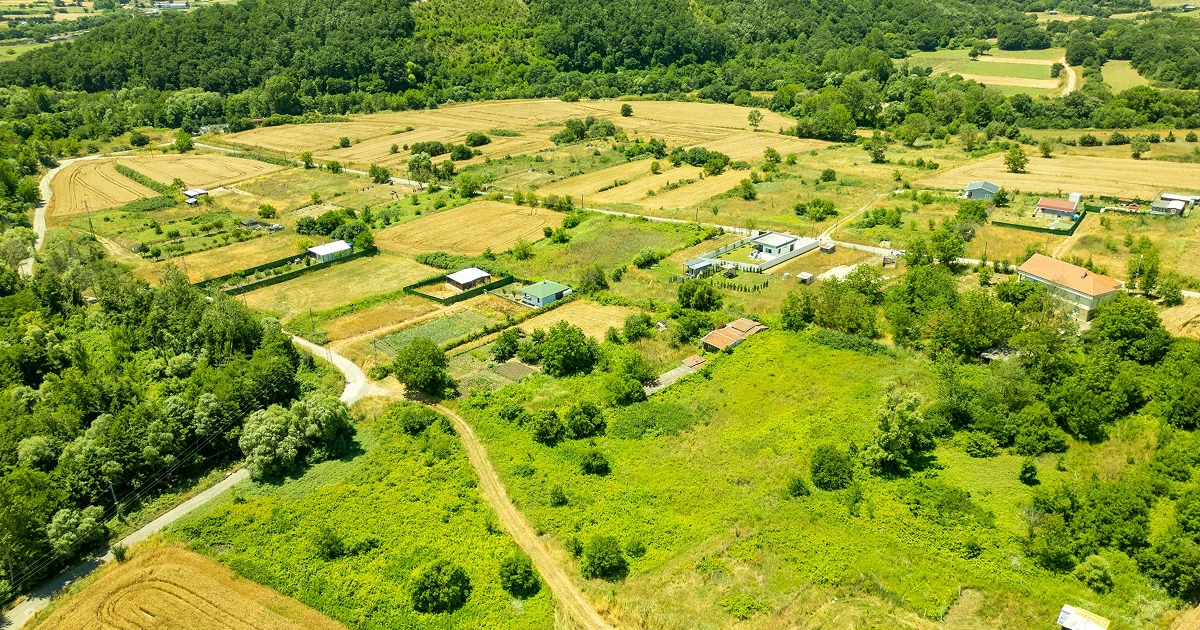
A plot can look simple enough at first: the area is pleasant, the size is right, the price is good, and you can already picture your new home on it. The real question, however, is not whether you like the plot, but whether what you have imagined can actually be built on it.
When buying a plot there are several factors that cannot be judged from a walk around the site or from a property listing.
1. What do the local building regulations allow?
One of the most important questions is which building zone the plot falls into and what rules apply to it. The local building code determines, among other things, the permitted site coverage, building height, green space ratio, the method of development and the building envelope.
So it matters a great deal what kind of house you want to build on an 800 m² plot. The plot may be developable, yet the rules may allow the building to sit on only one specific part of it.
A “developable plot” does not in itself mean that the house you have in mind will fit on it.
2. Will the house you dream of really fit?
Besides the size of the plot, its width, depth, shape, orientation and slope all matter.
Front, side and rear setback requirements, together with the permitted site coverage, can considerably narrow the area in which the building may be placed.
This matters particularly if you already have something specific in mind – a single-storey house with a garage, for example. It can easily happen that the plot is large enough on paper, but in practice the building cannot be positioned the way you want.
3. What about the utilities?
A listing may say the plot is “fully serviced”. That is not the same as the utilities actually being available within the boundary of the plot.
It is worth checking the position of the electricity, water, sewerage, gas and other services, and also on what terms and at what likely cost the plot can be connected. The utility provision needed for the proper use of the building, and the handling of foul and surface water, are also key questions for buildability.
A cheaper plot can easily turn out to be far more expensive if servicing it means a significant additional cost.
4. Is access actually adequate?
An important question is whether the plot is accessible from a public road or a suitable private road, and what condition that access is currently in.
A narrow or long plot, or one reached by a private road, can be particularly problematic – organising the build, parking or even the construction work itself may become difficult.
5. What does the terrain mean in practice?
A sloping plot can offer fine views and good qualities, but it can also significantly affect the cost of building.
A greater difference in levels may call for substantial earthworks, retaining walls, a different foundation solution or special architectural measures.
The price of the plot alone therefore does not tell you what the build will cost.
6. Are there any hidden restrictions?
The title deed, the map extract, the local building code or other documents may contain information that is not obvious at first glance.
An easement, a utility right of way, a regulatory line, a protected status, a special zoning requirement or another restriction can all affect what you may build and where.
With a plot, the question is not “is it a nice plot?”
It is whether that particular plot suits what you want to build on it.
In a land plot assessment these aspects are examined not separately but in relation to one another. That way, any mismatch between your plans and the plot’s real characteristics comes to light before you buy.
If you have found a plot but have not yet signed the purchase contract, it is worth having it assessed first to see whether what you have in mind can really be built there.